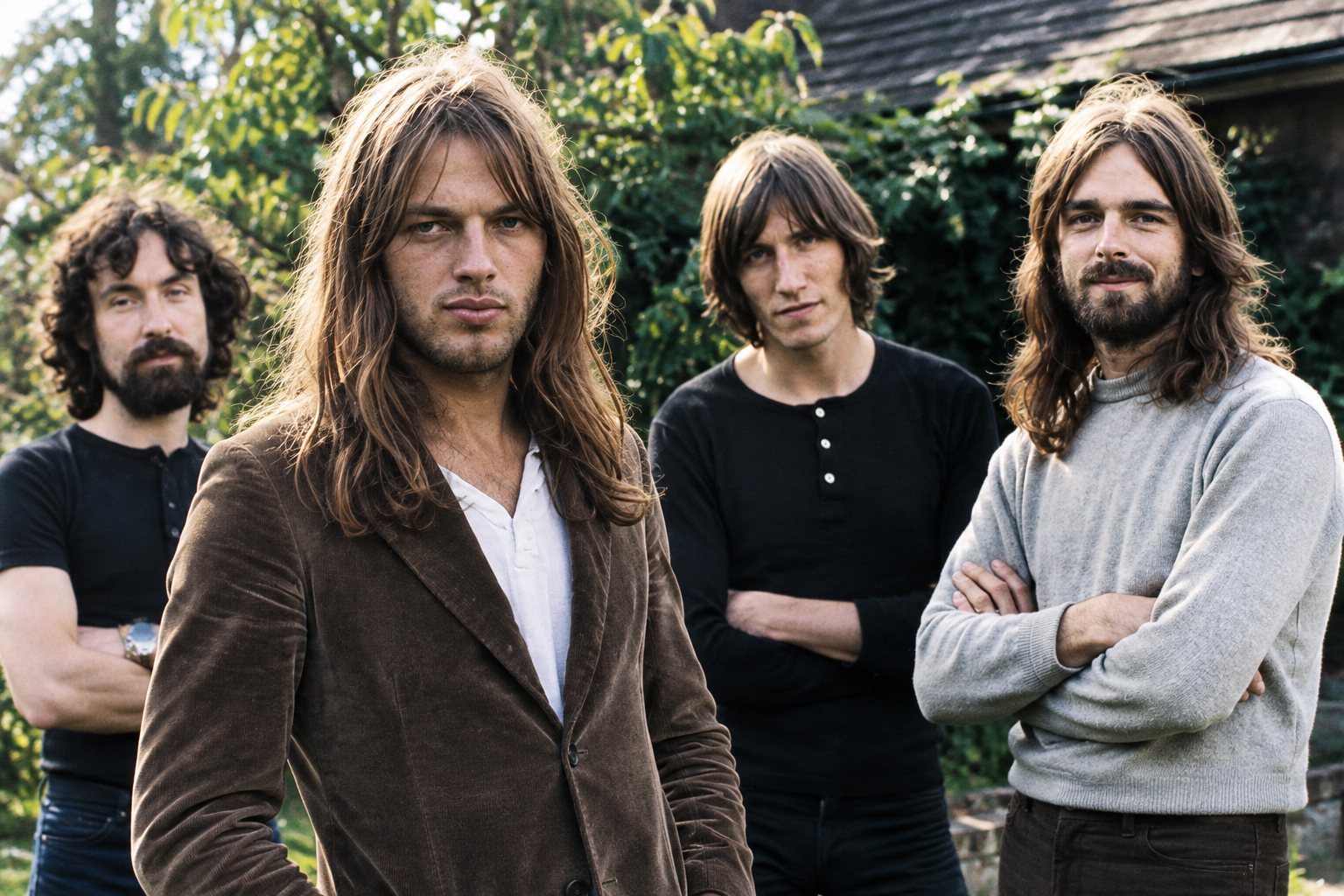
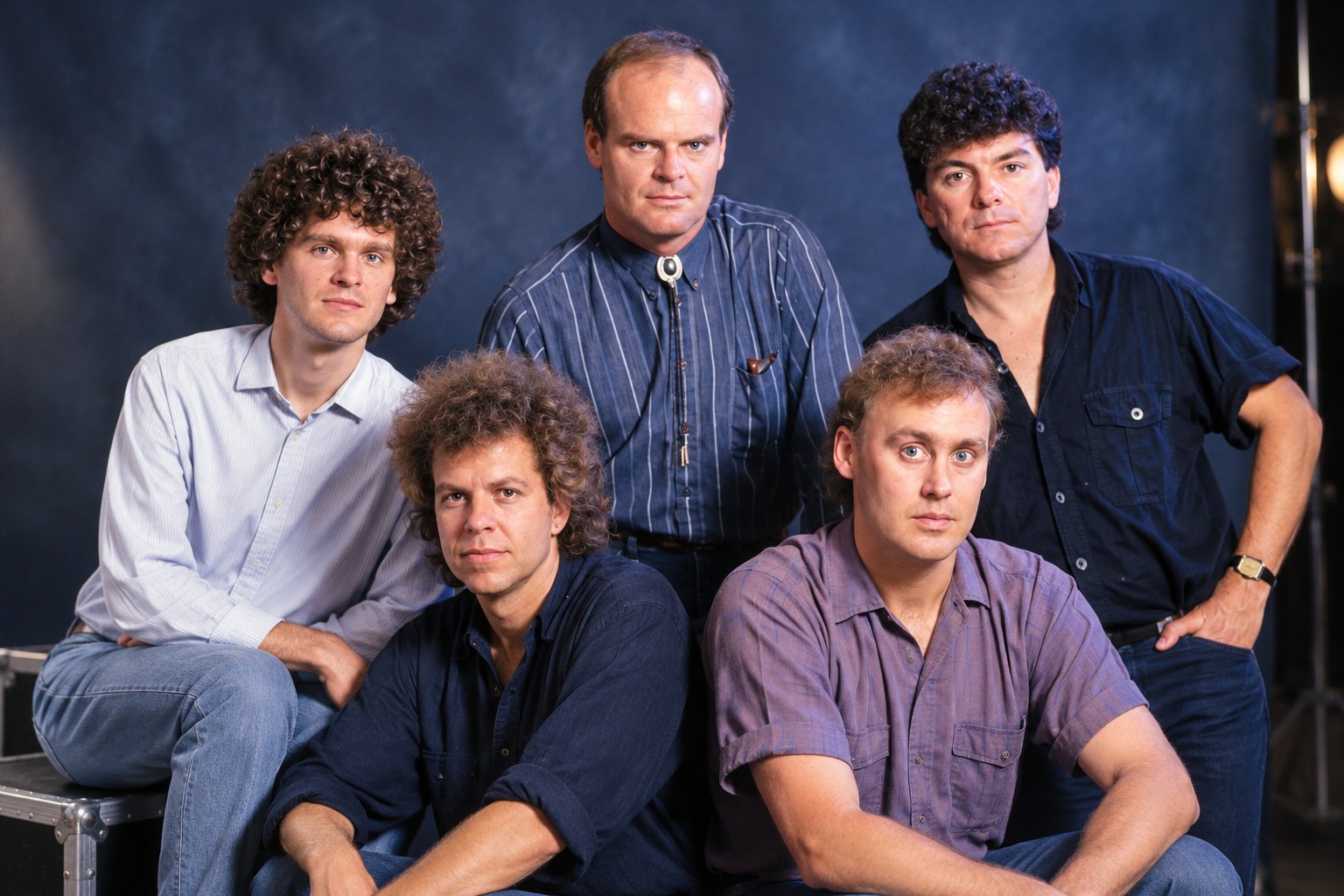
Bruce Hornsby — The Way It Is
Bruce Hornsby — The Way It Is, 1986. A piano ballad about Southern racism became an unexpected international hit and later fuelled hip‑hop remakes.
Bruce Hornsby — The Way It Is, 1986.
Why it mattered then (and now)
Bruce Hornsby’s title track arrived in 1986 as an awkward pop outlier: a five‑minute, piano‑forward song that named segregation-era policies while refusing a simple moralising stance. It cut against the synth-pop gloss of the era and found an audience because it mixed a clear sense of place with melodic sophistication. Hornsby wrote the lyrics first, drawing on memories of growing up in Williamsburg, Virginia, and then set them to angular, jazz‑inflected piano lines.
Hornsby points out the chorus’ final line offers a rebuttal rather than surrender, and the song’s structure — long intro, improvised solos and changing harmonies — let that ambiguity live. That combination of topical subject matter and unexpected musical choices is why the song still resonates when current events make its themes fresh again.
From slow starter to afterlife
The Way It Is was a slow commercial build. After being passed by several labels and briefly considered by Windham Hill, Hornsby signed with RCA, hoping the smaller roster would give him attention. He credits BBC Radio One DJ Mik Wilkojc with helping spark its European breakout, a detail Hornsby has recounted in interviews about the record’s early momentum.
"It was a complete fluke. Nobody thought it was gonna be anything."
— Bruce Hornsby
That fluke grew into something larger. Six years after the song had launched, it had an unlikely resurgence when rapper Tupac Shakur sampled it for his hit Changes, and hip‑hop producers have returned to the track repeatedly. Hornsby himself has called the song unexpected but durable; it remains a regular part of his setlist and a touchstone for artists who find its themes useful beyond the pop charts.
Musically, the record is a reminder that mainstream success can come from risk: a topical lyric, extended piano improvisation and a refusal to follow the hit‑single formula. For listeners today, it’s both a period piece about the South and a living song that continues to be reinterpreted by new generations.
Takeaway: The Way It Is endures because its precise blend of place‑based storytelling and uncompromising musicianship keeps speaking to changing times.
Something wrong on this page? Tell us and we will fix it.