
Azra Hirji's Table Archives
Illustrator Azra Hirji uses her Substack In The Filing Cabinet to preserve family recipes and the moments around the table in bold, colourful artworks.
Bold, bright table scenes as a record of home
Azra Hirji, In The Filing Cabinet, 2026-09-01 — the Toronto-born illustrator is using her Substack as a practical archive: colourful illustrations of family tables that map food, migration and memory for the long term. For anyone who reads food as culture, her work makes the personal feel collective.
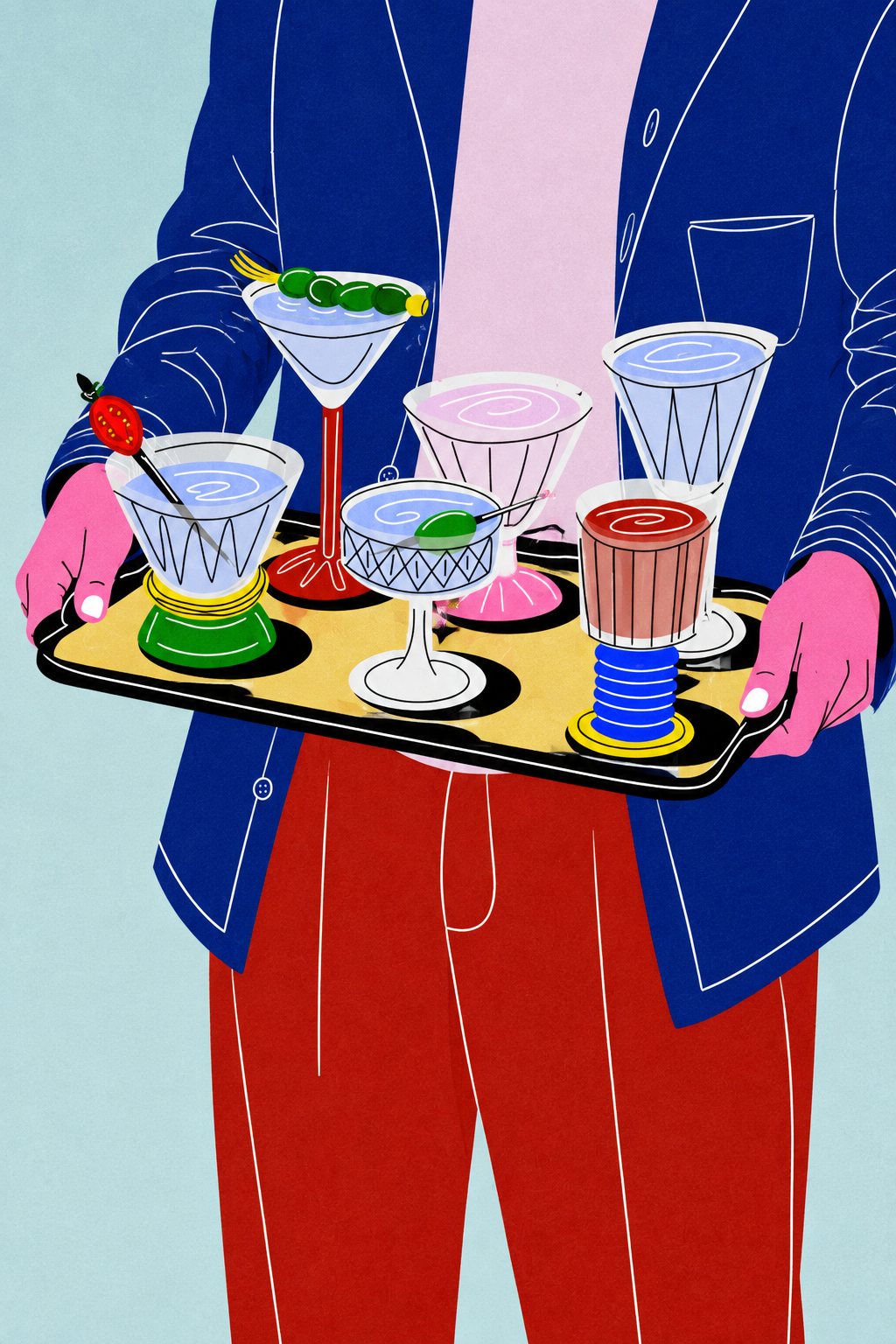
Hirji’s images land fast: primary colours, neat white linework and detailed spreads of plates, cutlery and people. The recurring set piece is the table — a place where croissants and jam sit beside samosas, mogos and mishkaki, and a humble lentil daar sits like a quiet anchor. Those choices are deliberate: she aims to capture how food connects generations and geographies.
"I intend to translate those nostalgic emotions into my illustrations," Azra told Creative Boom.
Born in Toronto to East African and South Asian parents, Hirji grew up in a house thick with art, tapestries and music. Early exposure to both global pop acts and family menus shaped how she sees cultural crossover. A Toronto CyberArts school programme introduced her to Adobe Illustrator and the idea that illustration could be a professional path; later roles as a magazine editor and marketing manager gave her practical skills she now applies to a freelance studio practice that spans Lisbon, London and Toronto.
Her commissions reflect that range: client work has included DASH Water, La Marzocco, The Kitchn, Wine Enthusiast, Four Seasons Kyoto and Penguin Random House. Even in commercial briefs, the table often returns as the visual logic behind her layouts — arranging people and objects so the image reads like an invitation.
On her Substack, In The Filing Cabinet, Hirji archives recipes, objects and family stories so they won't be lost. A recent personal standout is her ode to her late father’s daar, a lentil dish she describes as "a huge hug" and which sits at the nexus of comfort and cultural memory in her practice.
For readers interested in how illustration can act as cultural preservation, Hirji’s work is both accessible and insistently human: colourful art that doubles as a record of how families keep the past alive through food, gatherings and the careful setting of a table.
Something wrong on this page? Tell us and we will fix it.