Darius Ou: Manual and 3D Typography
Darius Ou’s Manual, described 2026-09-01, prints with its own G-code; his type systems and 3D books shape festival posters, AV design and album-era visuals.
Designer Darius Ou’s book Manual, discussed in a profile published 2026-09-01, embeds the G-code used to 3D print it — literally carrying the instructions for its own making. That technical trick matters beyond print nerds: Ou’s blend of type, motion and 3D fabrication is already shaping the look and atmosphere of audiovisual shows, festival posters and artist projects you care about.
What he does
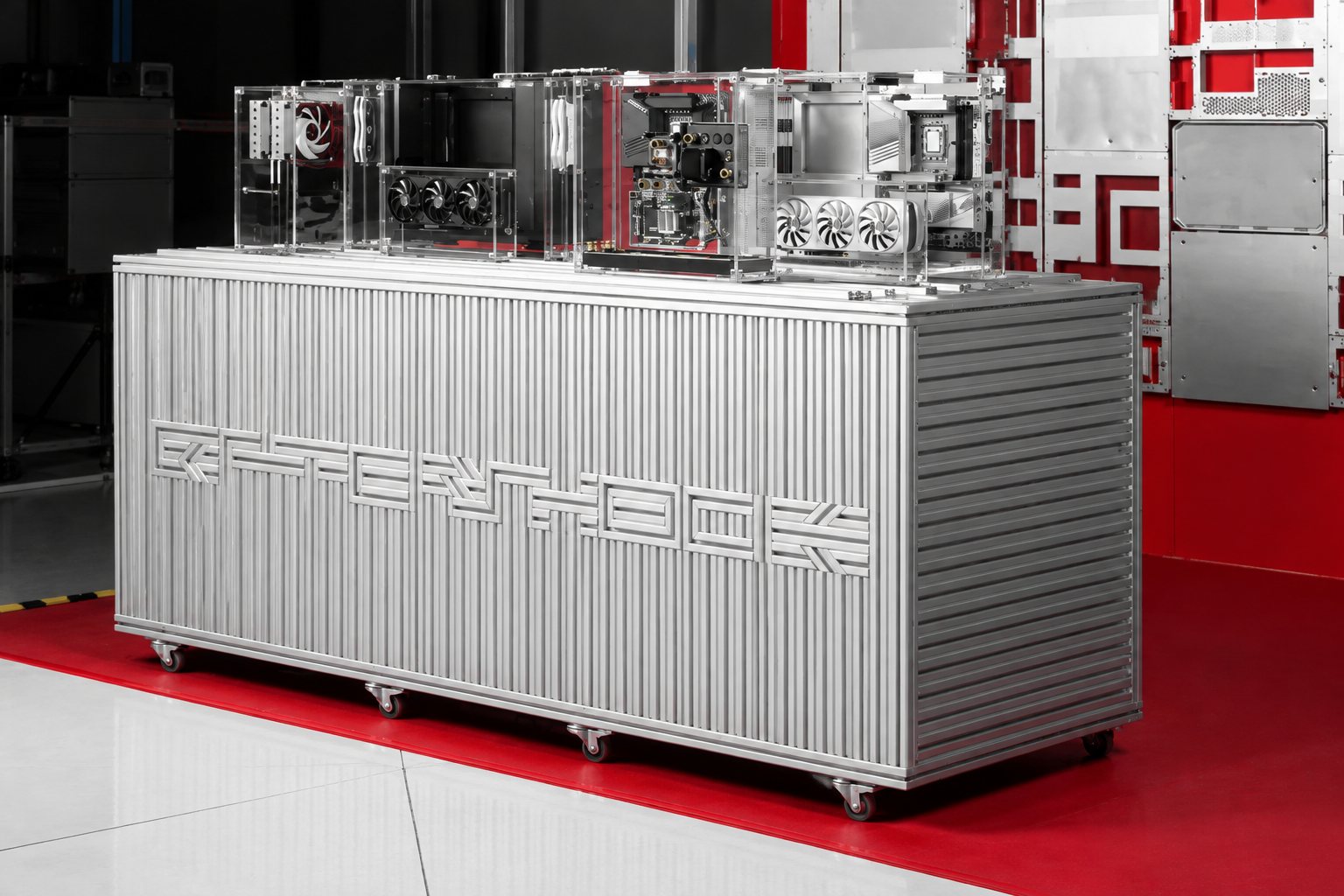
Based in Singapore, Ou runs a small eponymous studio and a research arm called hyperpress. Hyperpress has spent five years exploring 3D printing in graphic design and publishing; six 3D-printed books have followed, and three are now in museum collections including the Singapore Art Museum Design Collection and the V&A. Ou’s studio work — from custom lettering to animated variable fonts and full identity systems — turns deep research into visible systems that travel across posters, screens and physical objects.
Why music and live events should care
Ou’s work isn’t niche craft. He’s designed posters for Assemblage, an audiovisual festival, and built type systems that interact with physical space. For Brandon Tay’s exhibition Form & Agency, Ou made a typeface called As above, so below with elongated ascenders and descenders that form vertical ligatures, so text links downward across lines. In a gallery that vertical logic carried into wall edges and doorways; in a concert hall or club, the same approach can redefine how branding, subtitles and visuals read across screens and architecture.
Manual pushes that thinking further: it prints in one continuous sequence, fully bound straight off the print bed, with raised traces of the G-code embedded into the object. The book is both container and blueprint — a concept that translates well to limited-edition releases, merch and tactile album objects that want to feel like engineered artifacts rather than mass-produced merchandise.
“I hope my audience will feel the same sense of curiosity the way I felt when I first engaged with the subject matter.” — Darius Ou
Ou’s practice draws on sci-fi, linguistics and internet lore, and has been recognised by ADC New York (Young Guns 21, 2023), D&AD and international type bodies. He’s already influencing how sound events look and how physical music ephemera get made — and his next hyperpress object promises deeper academic research behind another hybrid design-meets-manufacture piece.
Something wrong on this page? Tell us and we will fix it.