Guns N' Roses — Appetite For Destruction
Guns N' Roses' Appetite For Destruction (released June 1987) turned Sunset Strip sleaze into a global rock landmark, raw and wildly influential.
Guns N' Roses — Appetite For Destruction (released June 1987) didn’t just break out of Hollywood; it detonated. The record distilled the band’s street-level anger, sex and drug-fuelled energy into songs that remade late‑80s rock and still influence guitar bands today.
Where the fire came from
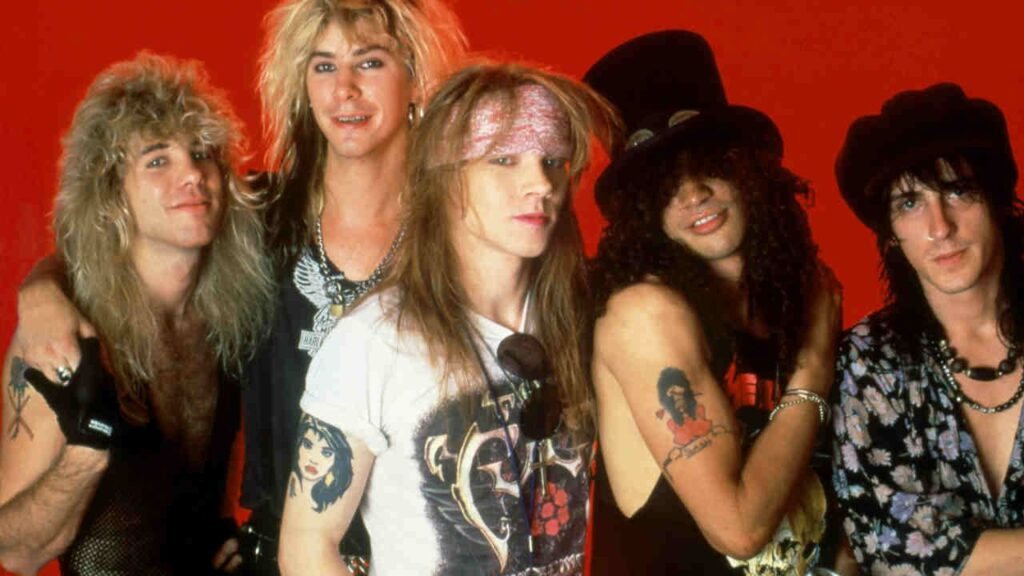
The band itself was forged from mismatched transplants and local characters. Bill Bailey renamed himself Axl Rose; Jeff Isbell became Izzy Stradlin’. Saul Hudson was already Slash. By mid‑1985 Slash, Izzy, Axl, Duff McKagan and Steven Adler were the lineup that honed the material on Sunset Strip stages and in a freezing, plumbing‑less rehearsal loft nicknamed The Hell House.
The deal and the record
Veteran A&R Tom Zutaut first saw them on February 28, 1986, and Geffen signed the group for a $75,000 advance. The band cut their debut with producer Mike Clink and released Appetite For Destruction in June 1987. The album’s combination of sleaze, bluesy guitar work and naked attitude resonated: by the end of 1988 it had sold in excess of ten million copies; today that figure stands at 18 million.
“We were a train wreck,” says original drummer Steven Adler.
That chaos was part of the selling point. Their early mock‑live EP Live ?!*@ Like A Suicide and the band’s onstage excesses—strippers, spilled beer, and hair‑trigger fights—fed a myth of danger that the music sustained rather than overshadowed. Tracks like Welcome To The Jungle and Sweet Child O’ Mine brought raw storytelling and visceral guitar melodies to arenas long dominated by polished glam.
Why it still matters
Appetite For Destruction matters because it proved that uncompromising attitude could translate into mainstream impact without losing grit. The record rewired expectations for contemporary rock: aggressive, personal, and dangerously charismatic. Musicians across genres still point to its riffs, vocal hooks and swagger as direct inspiration.
For a fuller narrative of the band’s early years and the making of the album, see the account originally published in Metal Hammer 264 (November 2014).
Something wrong on this page? Tell us and we will fix it.