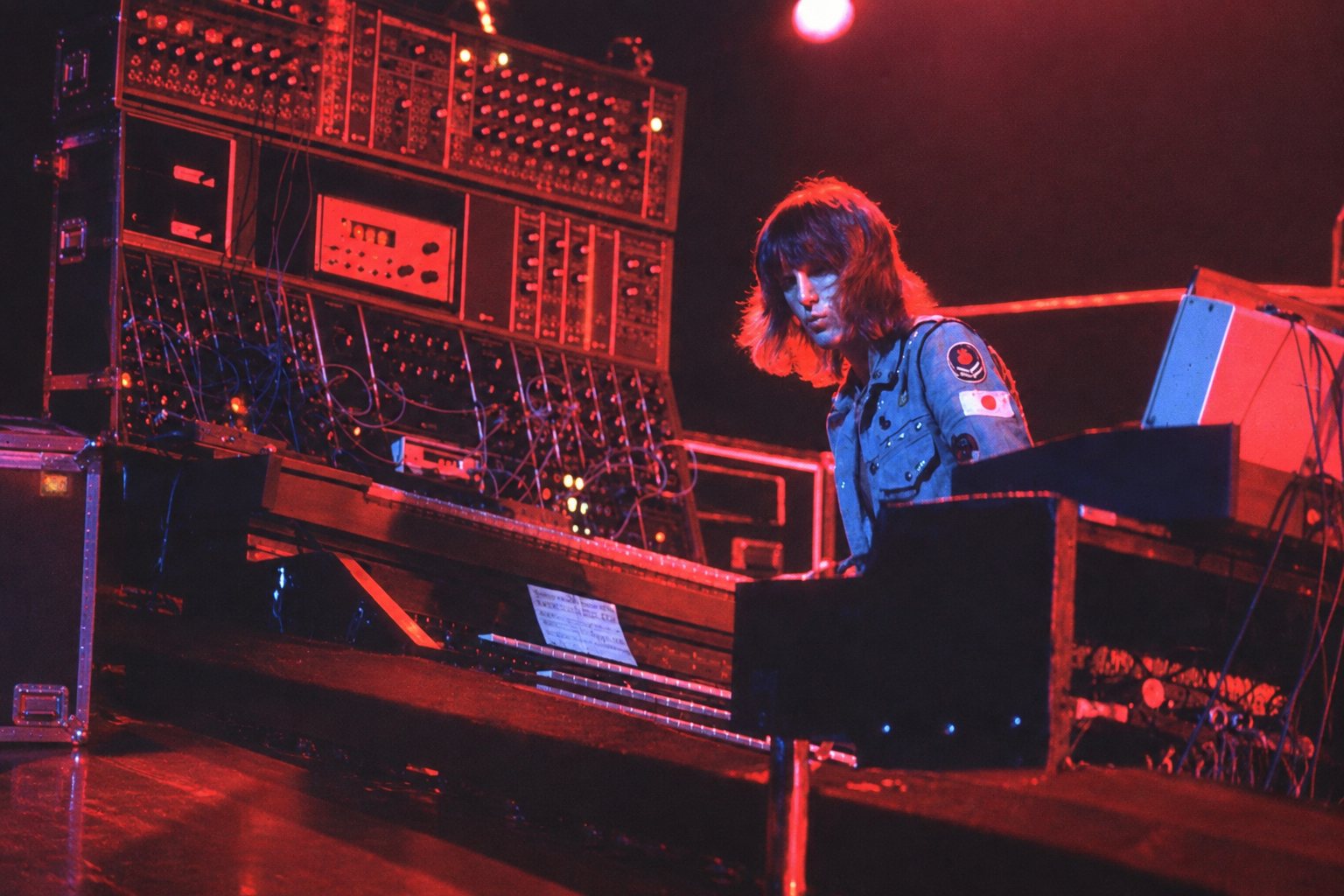
Keith Emerson’s Moog Model I‑CA, 10 July 1970
Keith Emerson paid for a Moog Model I‑CA shipped on July 10, 1970 — a costly buy that helped keyboards step into the spotlight.
Keith Emerson bought a Moog Synthesizer Model I‑CA that was custom‑shipped on July 10, 1970. It cost around £4,000 at the time (roughly £55,000 today) and changed how keyboards sounded — and where keyboardists stood on the stage.
Bob Moog’s synths had been available since 1964, and Wendy Carlos’ Switched‑On Bach helped make them desirable in studio and film. When Emerson was forming Emerson, Lake and Palmer and preparing to record their first album in 1970, he contacted Moog hoping for support — and was turned down.
"I see no reason why you shouldn’t pay for yours." — Moog company letter
Moog’s blunt reply pointed out that even the era’s biggest acts paid for their instruments; Emerson paid too. The Model I‑CA arrived on July 10, 1970, and Emerson later admitted it was expensive but decisive. He argued the instrument "defined the new way of sound" and opened the possibilities of keyboards beyond traditional roles.
The practical effect was immediate: where organs, pianos and Mellotrons had been largely accompanimental, the Moog offered a new, malleable voice that could be bent, driven and made to cut through a live mix. That capability helped keyboardists compete with loud guitarists for solos and stage presence — an evolution prog and rock audiences would see across the 1970s.
Decades on, musicians and commentators still credit Moog and Emerson with shifting the balance. Jem Godfrey named Moog his prog icon in 2019, noting that the Minimoog and related designs let keyboard players step out from the backline. In 2023 Rick Wakeman paid tribute to Emerson and emphasised how Moog instruments let keyboard solos be heard without the rest of the band having to drop down in volume.
The payoff wasn’t only sonic. Emerson’s public enthusiasm — including a notorious claim that the Moog could replace much of a classical orchestra — provoked controversy (and a brief ban from the Musicians’ Union), but it also helped make the synthesiser culturally indispensable. Bob Moog died in 2005, but his instruments, and Emerson’s willingness to invest in them, set a template: synthesizers as lead instruments, not just studio curiosities.
For fans, the story is a reminder that technological leaps in music often start with costly bets. If you love the dramatic, otherworldly keyboard sounds of classic prog, you can trace much of that lineage back to Emerson’s decision on July 10, 1970.
Something wrong on this page? Tell us and we will fix it.