Pink Floyd’s 'Household Objects' sessions
Between 1970–1974 Pink Floyd recorded rhythms and pitched sounds from household items in January 1971 Abbey Road sessions; fragments resurfaced on later reissues.
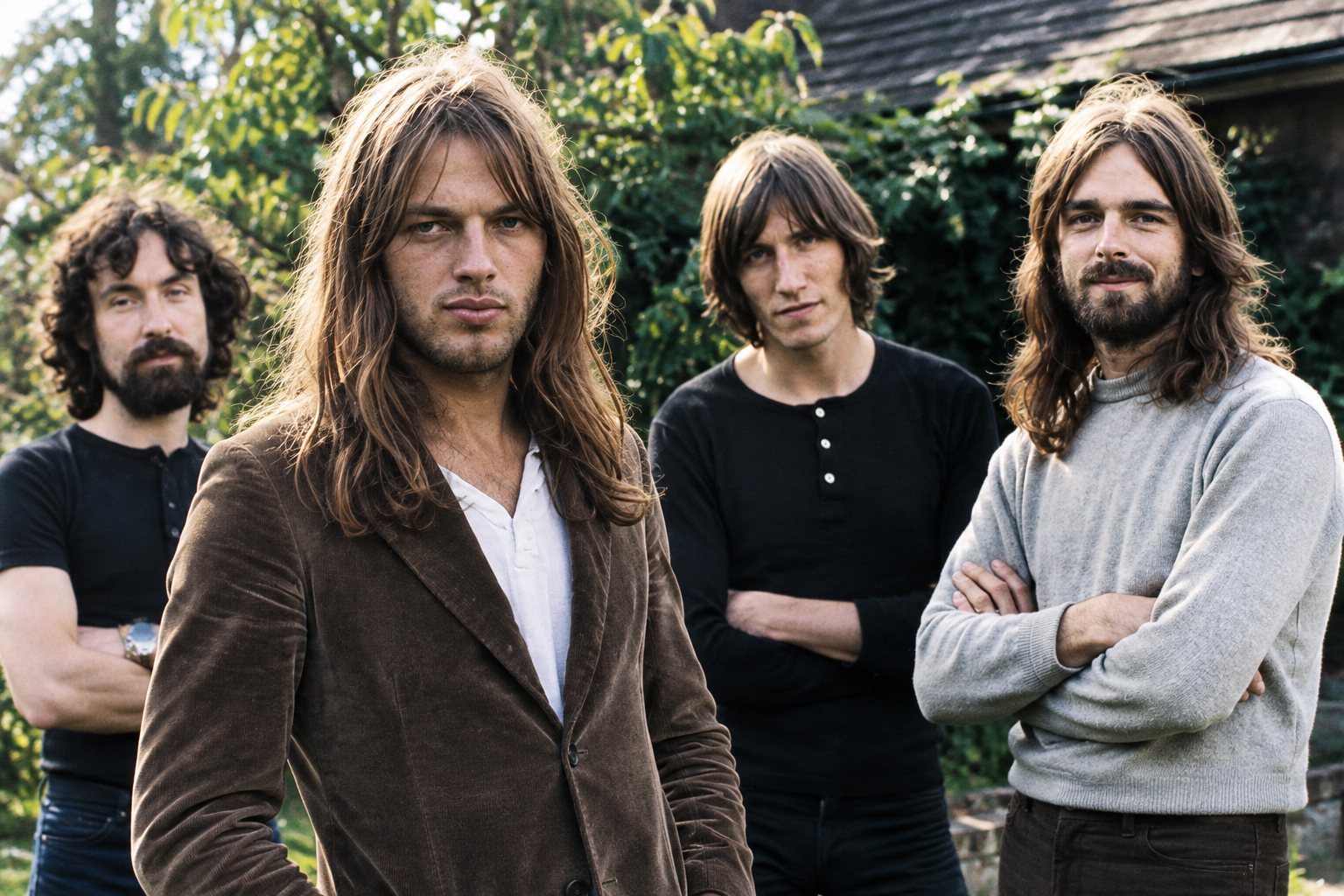
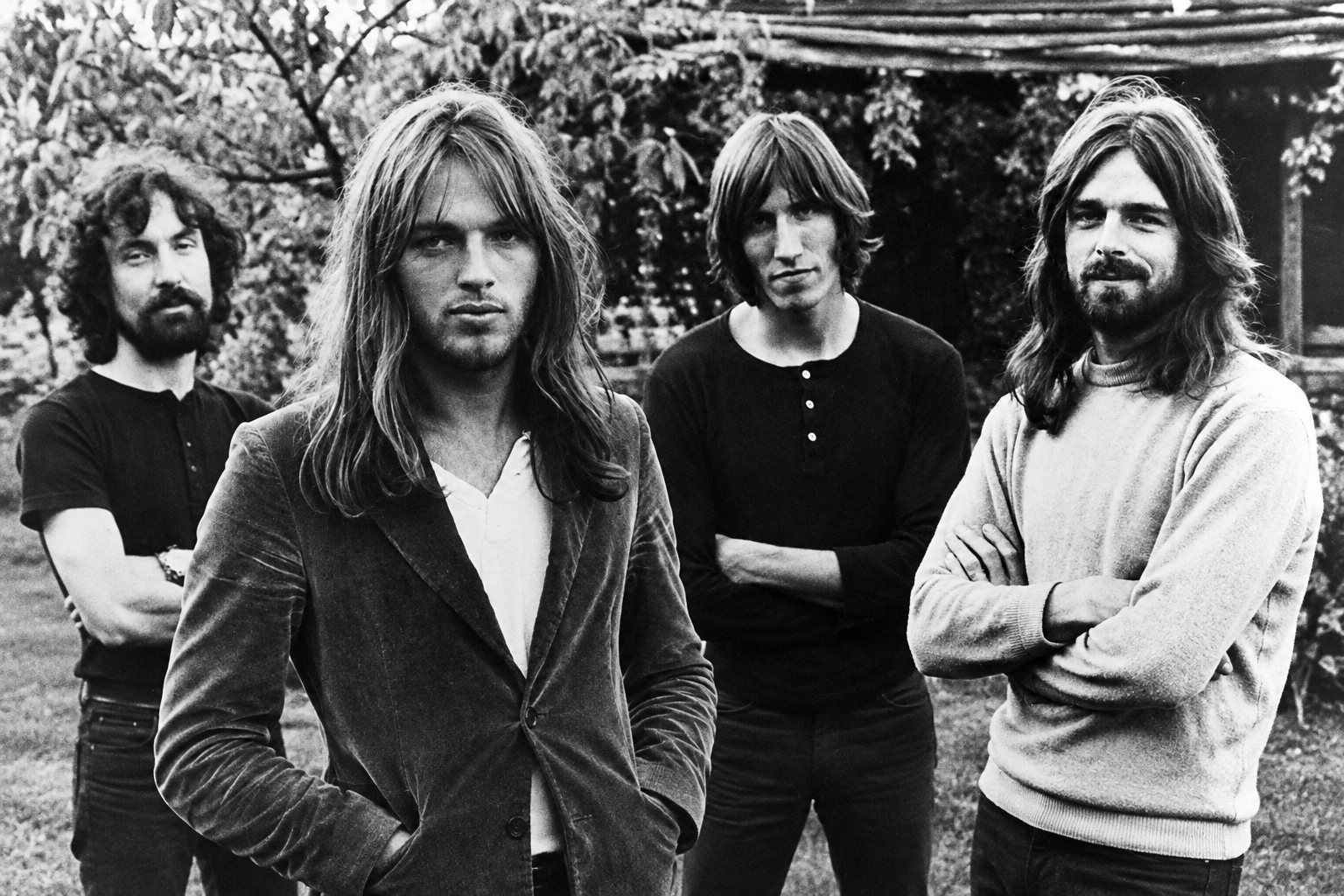
Pink Floyd’s Household Objects sessions at Abbey Road in January 1971 captured rhythms and pitched tones made from everyday items — beer bottles, torn newspapers, aerosol cans, broomsticks and tuned glasses — in a concentrated experiment that the band ultimately abandoned.
Why fans should care: these sessions show how far the group pushed studio imagination before choosing songcraft over sonic collage. The material explains some of the band’s later textures and offers a peek at the mechanical curiosity behind Meddle (1971), The Dark Side of the Moon (1973) and the move toward Wish You Were Here (1975).
What they did
Rather than toy sound effects, the project treated domestic detritus as instruments. Tape operator John Leckie later recalled the group literally "making chords up from the tapping of beer bottles," and engineers captured dozens of snippets in short, intense sessions. The band scraped, plucked and struck objects, sometimes tuning glasses like simple keyboard notes; aerosol cans were used as a hi‑hat surrogate and torn paper supplied percussive swells.
Why it stalled
The experiment wasn’t accidental — it grew from earlier stage and studio tricks the band had used — but it ran into practical limits. The process was slow and laborious, and members began to tire of turning raw sound into finished songs. Nick Mason later framed Household Objects as a way of delaying the harder work of songwriting, and the group soon returned to conventional instruments for Meddle and the albums that followed.
Legacy
Household Objects never became a standalone release, but its fingerprints show up in later sessions. Tuned glasses and other domestic ideas reappeared as textural experiments, and a short "Wine Glasses" fragment tied to the sessions was included on the 2011 expanded reissue of Wish You Were Here. For collectors and students of studio craft, the sessions are a reminder that Pink Floyd’s sonic identity was forged as much by curious accident and studio play as by formal song-writing.
For fans who like to trace how effects and ambience evolved into classic songs, Household Objects is a fascinating detour: a period when the studio itself was treated as an instrument and ordinary objects were auditioned for stardom.
Something wrong on this page? Tell us and we will fix it.