Stackridge: The Man In The Bowler Hat
Stackridge’s 1974 LP The Man In The Bowler Hat paired the Bristol eccentrics with producer George Martin, adding orchestral sheen to their theatrical pop.
Stackridge — The Man In The Bowler Hat, released February 1974 — is the record where a cheeky Bristol six-piece met Beatles producer George Martin and stretched their daft, theatrical pop into something more orchestral and cinematic. That pairing matters: it turned a band often compared to what the Beatles might have done into an album that rewards listeners who like wit, arrangement and unexpected turns.
From pubs to AIR Studios
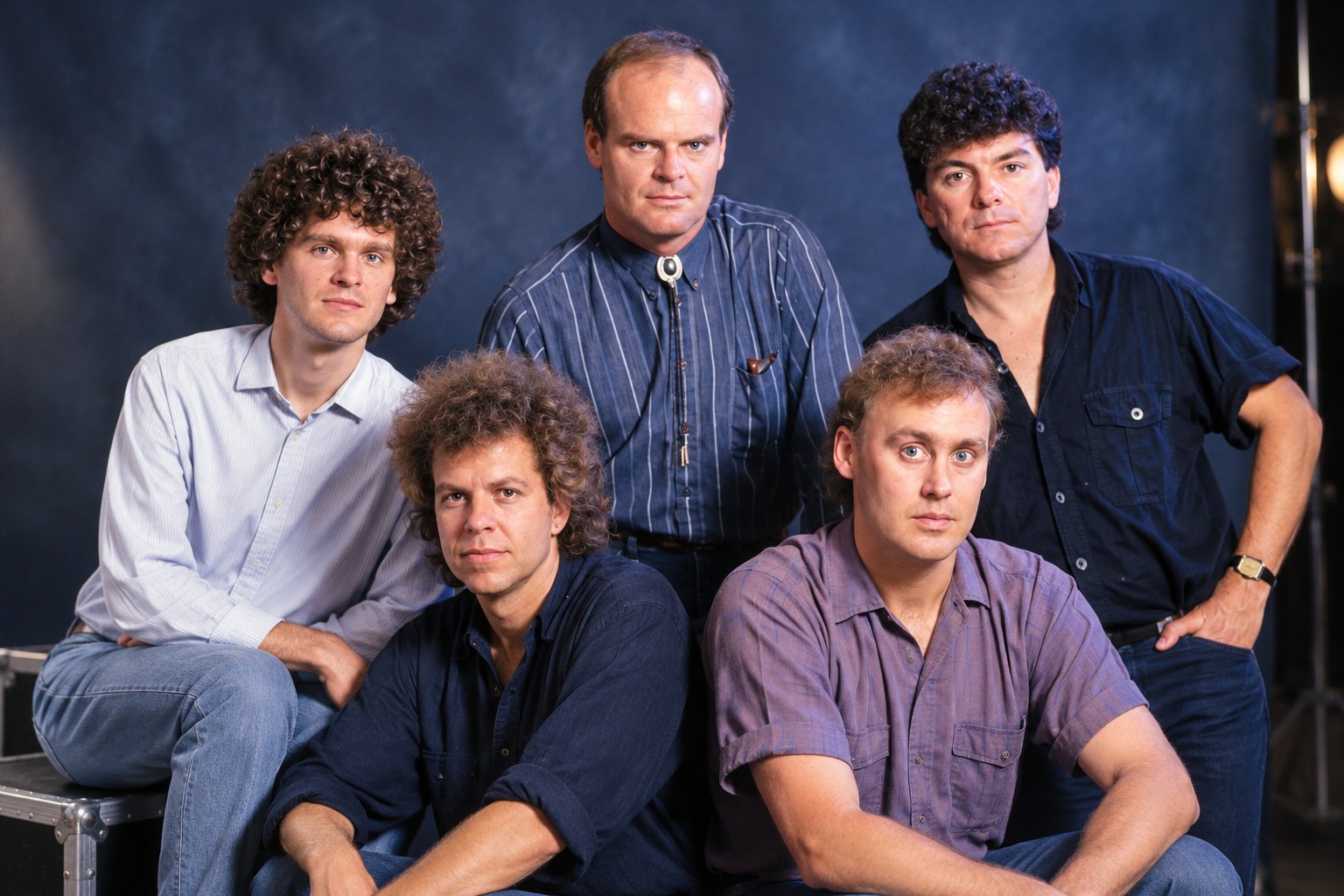
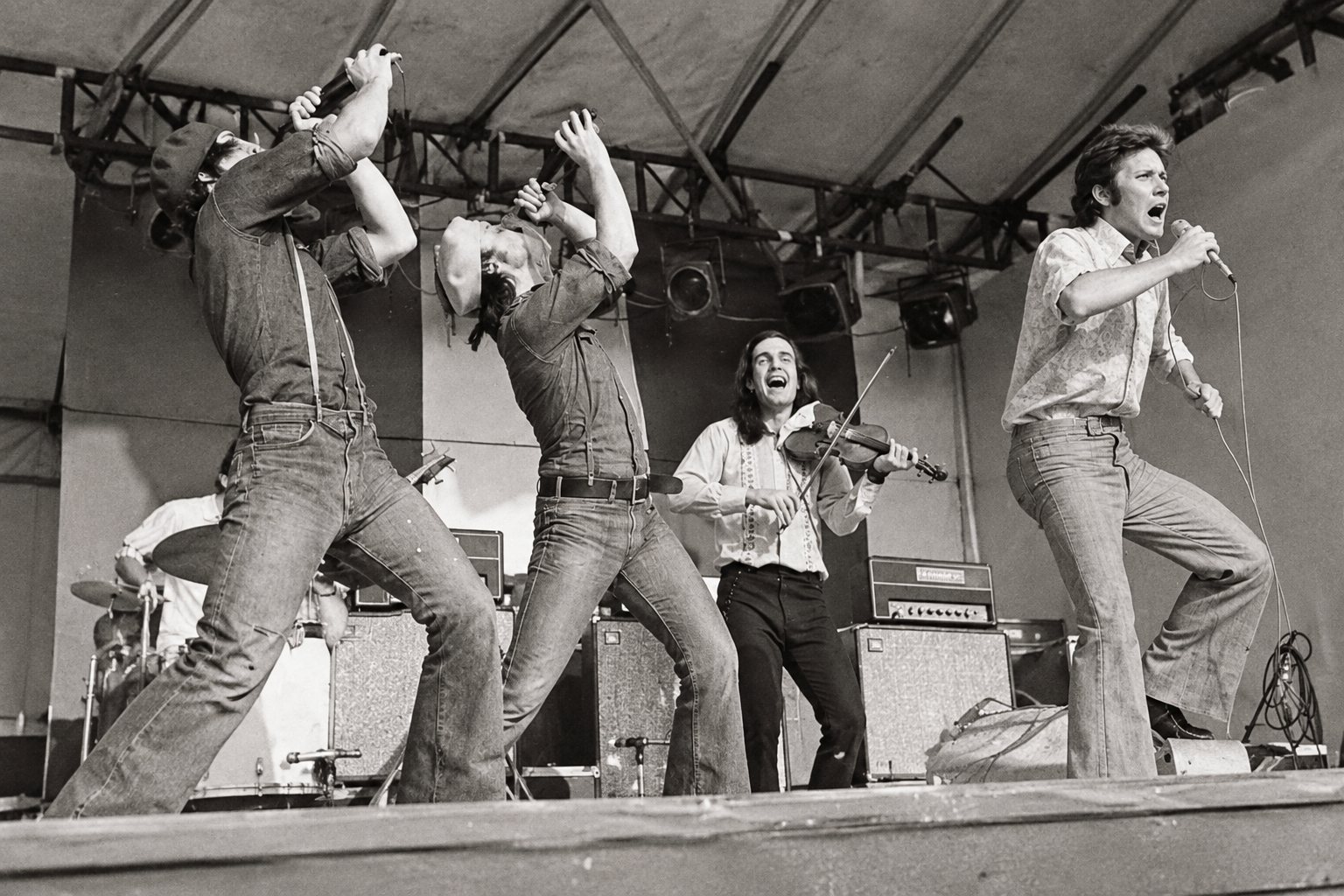
By 1973 Stackridge had already earned a cult reputation. They opened and closed the first Glastonbury Festival in 1970, issued two MCA albums (1971’s Stackridge and 1972’s Friendliness), toured with Wishbone Ash and Renaissance, and recorded for John Peel. The core line-up included Andrew Cresswell-Davis (Andy Davis), James Warren, James ‘Crun’ Walter, Michael ‘Mutter’ Slater, Mike Evans and Billy ‘Sparkle’ Bent — players who mixed music-hall, folk, pop, classical touches and Goon-ish humour.
Manager Mike Tobin’s contacts opened a door: George Martin agreed to produce the band. Sessions were staged at AIR Studios in Oxford Circus with engineers Geoff Emerick and Bill Price, and Martin added orchestral parts and invited additional musicians. The band had just 10 days to record and two to mix, and Martin’s sense of dynamics and arrangement reshaped several songs.
What’s on the record
The album ranges from the piano-led opener “Fundamentally Yours” (with Martin on keys) to pastoral “Pinafore Days,” power-pop “The Last Plimsoll” and the Abbey Road–tinged “To The Sun And Moon.” Mutter Slater’s “The Galloping Gaucho” gained textural lifts after Martin suggested layering Hammond and triangle. The group’s songwriting credits flirted with in-jokes — Smegmakovitch and Wabadaw Sleeve — but the musical results are often precise and inventive.
“We drew from every imaginable source,” James Warren says.
One real-world wobble arrived after recording: the OPEC oil crisis drove up vinyl prices and delayed the album’s release until February 1974. The record still made an impact — Mutter Slater later remembered reading that it had reached No. 23 in the charts while working at a petrol station — but internal tensions and changing management soon altered the band’s line-up and fortunes.
Stackridge dissolved after 1976’s Mr Mick, briefly reappeared in 1999 and reunited from 2006 to 2015, but The Man In The Bowler Hat remains a snapshot of an oddball British band meeting high-end studio craft: for fans of Beatles-era arrangement, quirky prog and theatrical pop, it’s a rewarding listen.
Something wrong on this page? Tell us and we will fix it.