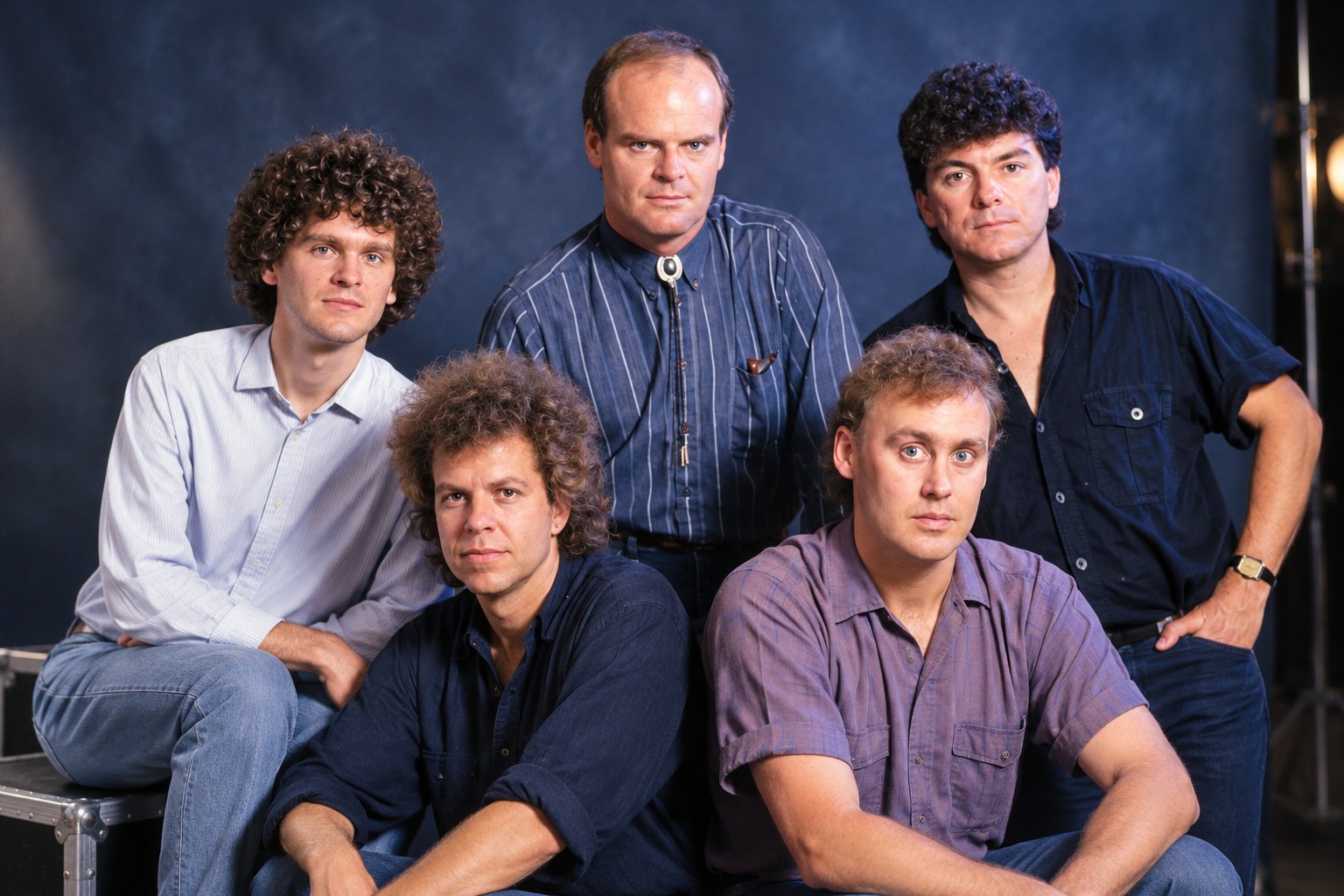

Steve Hogarth joins Marillion — Seasons End
Marillion replaced Fish with Steve Hogarth in late 1988; Seasons End (1989) and the 1989 UK tour showed fans the band could survive and evolve.
Marillion, Seasons End (1989), and Steve Hogarth's arrival in late 1988 reshaped the band's live identity on their 1989 UK tour.
The switch from Fish — a frontman whose theatrical persona defined Marillion through the early Eighties — to the smaller, pop-schooled Steve Hogarth felt risky. The band declined the easy option of a lookalike or mimic and instead hired a singer whose previous work with How We Live and The Europeans suggested a very different voice and stage presence.
Why fans should have paid attention
On record, Seasons End signalled continuity with change: polished songwriting, new textures and a clear handover of lead duties. But the real test was the stage. Hogarth admitted he was "frankly terrified" at the prospect of taking Marillion on tour — and that nervousness mattered, because a new singer lives or dies in front of the crowd.
The 1989 shows answered that test. Rather than imitate Fish, Hogarth picked and reinterpreted older material, choosing key songs from the Fish era and giving them a fresh vocal identity. The band tightened and brightened the set too: Steve Rothery moved from static guitarist to a more animated presence, and the group leaned into the energy gap left by Fish rather than trying to conceal it.
Set highlights and new directions
- Reworked favourites such as Kayleigh, Lavender and Heart of Lothian were kept in the set and accepted by audiences.
- New songs from Seasons End — notably Easter and Berlin — landed well, showing Hogarth as a creative fit.
- Tracks like Hooks in You proved the band could still deliver concise, punchy rock alongside their more expansive pieces.
Those shows didn't just preserve Marillion; they redefined them. Hogarth's vocal clarity and stage craft made the material immediate rather than archival, and the band's willingness to let him choose which older songs to keep helped smooth the transition. The gamble paid off: his appointment is vindicated by a long tenure with the band — noted as a 37-year stretch — and by a catalogue that continued to evolve rather than repeat itself.
For fans, the lesson was simple: personnel changes can fracture a band's identity, but thoughtful reinvention can produce a different, equally compelling chapter.
Something wrong on this page? Tell us and we will fix it.