Thomke Meyer: Motion in Illustration
Hamburg illustrator Thomke Meyer was profiled on 2026-09-07; her motion-rich drawings fuel editorial covers and a forthcoming graphic novel.
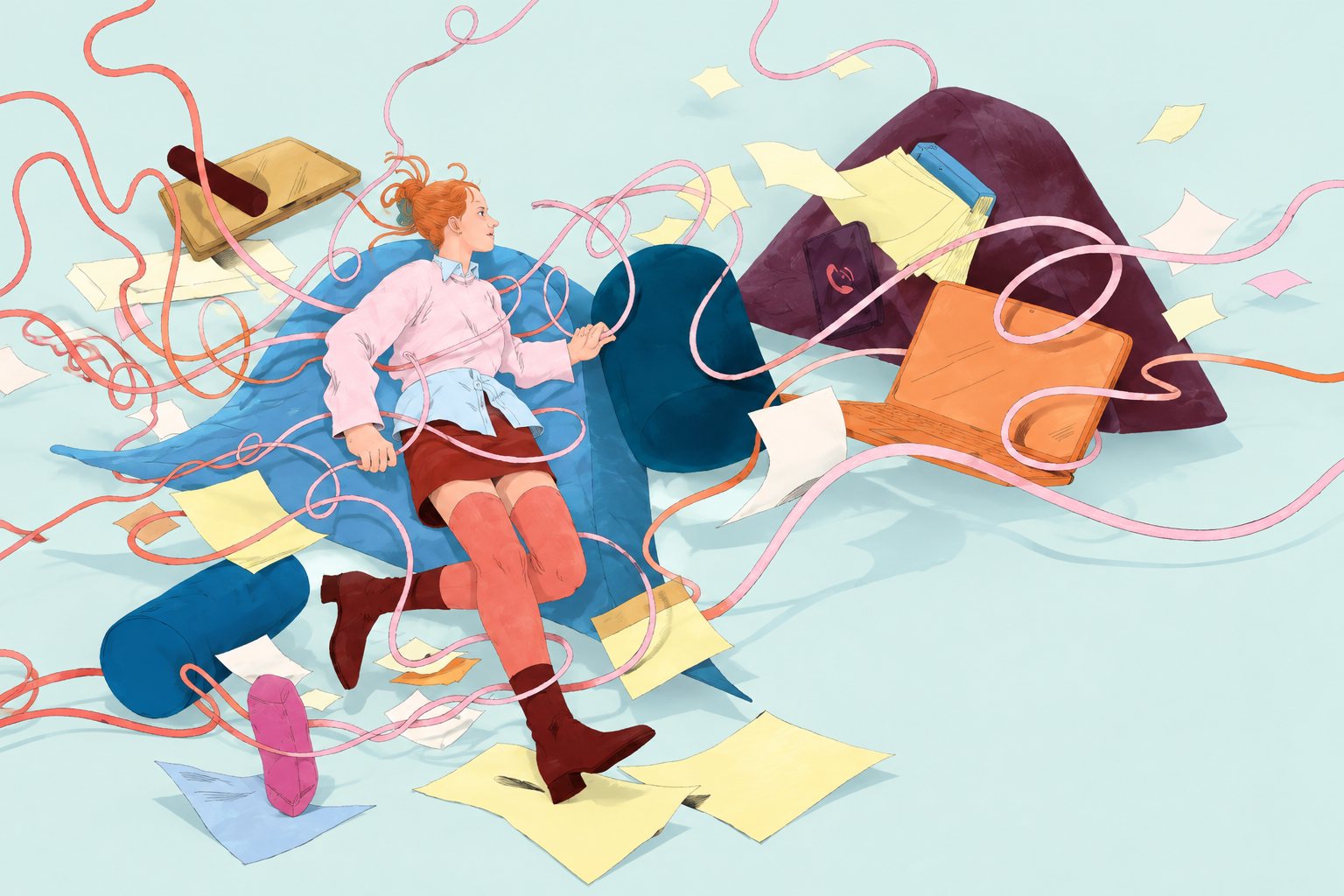
Thomke Meyer was profiled on 2026-09-07 and says she’s building a graphic novel while continuing editorial work for magazines such as Die Zeit, Elle and Der Spiegel. Her drawings are defined less by static poses than by a sense of wind, tide and soundtrack — images that feel as if they could move off the page.
What she draws and how
Meyer’s work often shows hair whipping, vines unfurling and figures leaning into a breeze. She credits listening to music, regular trips to the cinema and time by the water for the motion in her compositions. As she puts it:
“I tend to think in terms of moving images rather than static motifs.” — Thomke Meyer
Her studio practice is iterative: a personal impulse leads the process, then sketches are adjusted into outlines and rough colour as the composition evolves. Meyer says starting with what she wants to draw keeps commissioned work from falling into predictable clichés and preserves her curiosity — though it also means personal pieces can take far longer to finish.
From East Frisia to HAW Hamburg
Raised in a small East Frisian village with wide, flat skies, Meyer drew from an early age. At 10 her grandmother enrolled her in art school, and theatre and life-drawing classes supplemented her teenage training. After a string of rejections from Berlin fine art schools, she regrouped and studied illustration at HAW Hamburg from 2013 to 2021, completing a master’s and setting up a home studio in Hamburg.
Commissions that push the work
Meyer approaches briefs as opportunities to fold personal interests into broader stories. A memorable commission for die ZEIT Schweiz tackled child abuse through an unsettling playground built from her sketches of 1970s toys. Elsewhere, an animated bird for The Different Folk let her focus on linework and textured surfaces — elements she frequently returns to.
Her stated aim is connection: she wants viewers to find the same feeling in a drawing that she felt making it. Between magazine covers and client work, Meyer is balancing that aim with a longer project — a graphic novel she plans to finish while continuing to travel, draw and collect ideas (including a planned Adriatic trip to snorkel and sketch stones).
For readers who follow contemporary illustration, Meyer’s mix of editorial visibility, cinematic influence and commitment to line and motion is worth watching: her pages read like soundtracked scenes, and a finished graphic novel will be the clearest place to see that impulse stretched across a narrative.
Something wrong on this page? Tell us and we will fix it.