Whistles marks 50 by casting 50 customers
Whistles casts 50 customers aged 19 – 72 for 50th-anniversary film, found via mysterious posters. Raw campaign and new 'Lemonade' colour launch 10 September 2026.
Whistles has marked its 50th anniversary with an unusually tactile campaign: the British label asked Londoners to respond to mysterious fly-posters calling for “open-minded women,” and from more than 2,000 replies it selected 50 customers aged between 19 and 72.
Why it matters
This isn’t a glossy fashion spread. The brand stopped using professional models and leaned into everyday stories — a move that matters for anyone who follows cultural movements, music scenes or grassroots creativity: it’s about authenticity, real voices and a visible shift from top-down advertising to community-led storytelling.
How it came together
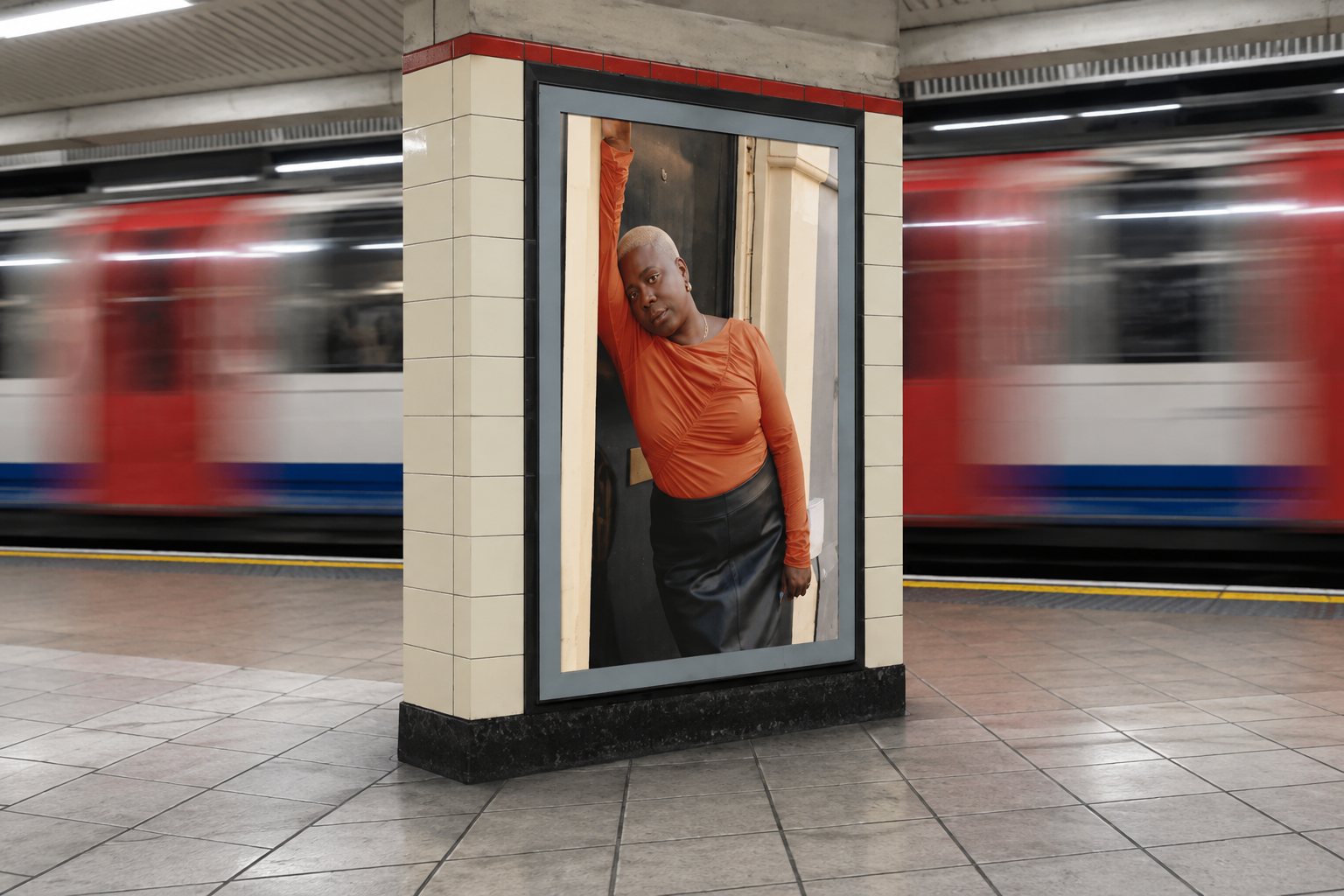
The posters, placed around London without any immediate branding, asked applicants to describe what being open-minded meant to them. Creative agency Weirdo — founded in 2021 by former pro athlete Louis Persent — sifted the responses and helped Whistles cast the 50 participants. The women were photographed by Alice Neale and filmed by Archi Shah, largely on camcorder, in a single day; six of the participants lead the launch, including a BAFTA-winning documentary filmmaker, a mother and an entrepreneur.
On 10 September 2026 the brand released a two-minute film and accompanying social and out-of-home content. Whistles has also recast its positioning as “Designed for an Open Mind” and introduced a signature citrus colour called Lemonade, shifting to a lighter, sharper presentation across stores and digital channels.
“We’re leaving behind rigid top-down campaigns and moving towards projects and commissions,” says Louis Persent.
The approach echoes how independent music communities operate: real people, DIY aesthetics and storytelling that privileges lived experience over glossy perfection. For fans of culture, that feels like a welcome corrective to highly polished, algorithm-first campaigns.
Whether this will pull former shoppers back remains to be seen, but the move is a clear repositioning — one that leans on nostalgia, rawness and a roster of real lives rather than models. It’s a reminder that brands can re-engage audiences by amplifying community voices rather than replacing them with idealised imagery.
Something wrong on this page? Tell us and we will fix it.